All images copyright protected by © Lavonne Bosman Photographic Art
The Sacred Caves of Phnom Chhngok: Where Buddhism and Hinduism Meet
The caves of Kampot hold some of Cambodia’s oldest spiritual sites. Among them, Phnom Chhngok Cave stands out for its history, beauty and religious importance. In 2024, the cave once again became a gathering place for a traditional festival filled with dance, prayer and Khmer martial arts.
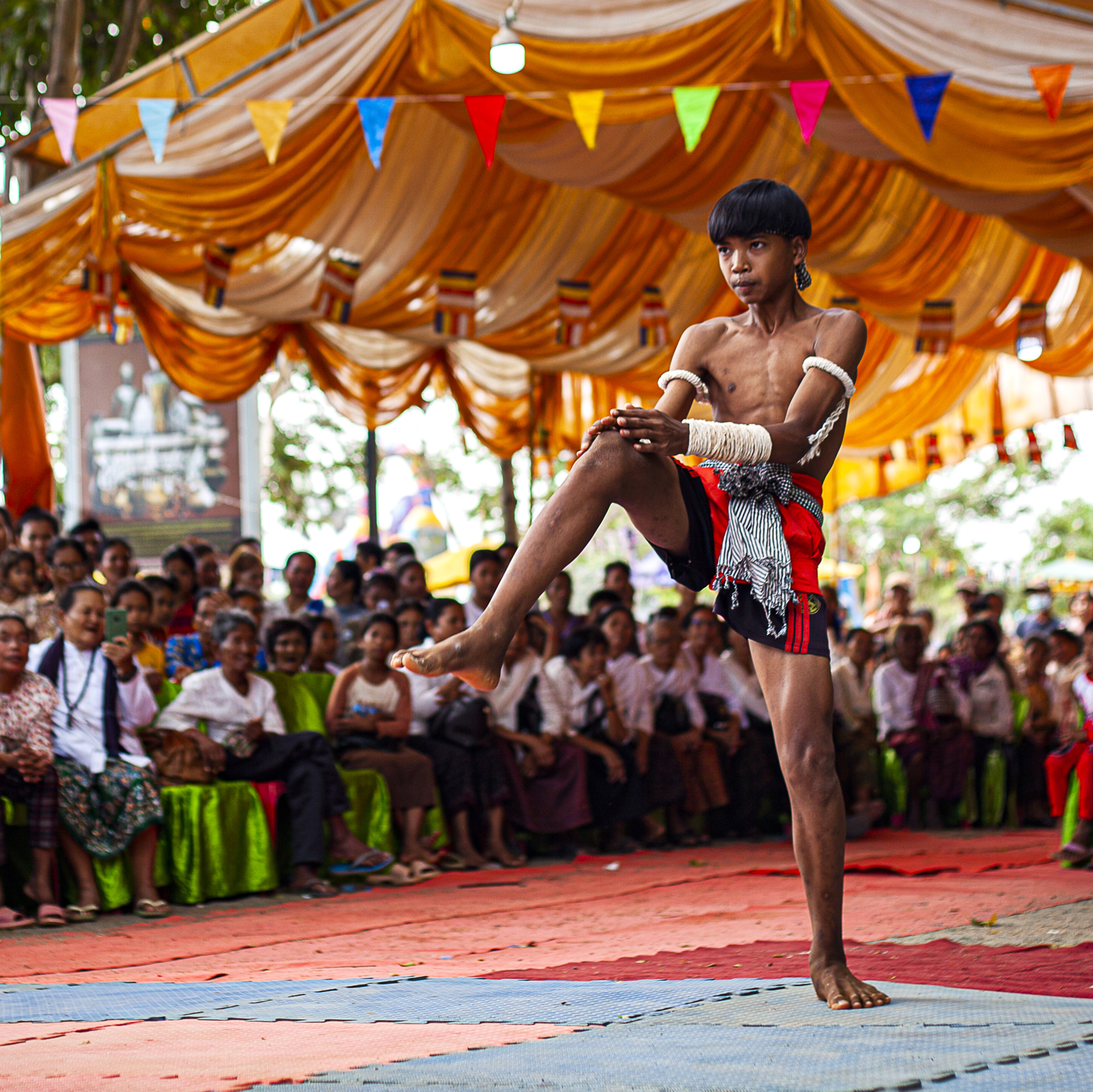
Inside the cave, children practised Bokator while dancers performed ancient Khmer movements beneath the limestone ceiling. Buddhist worshippers lit incense and brought offerings. The atmosphere felt both festive and deeply spiritual.
The caves of Kampot are more than tourist attractions. They are living cultural spaces where Cambodia’s past still shapes the present.
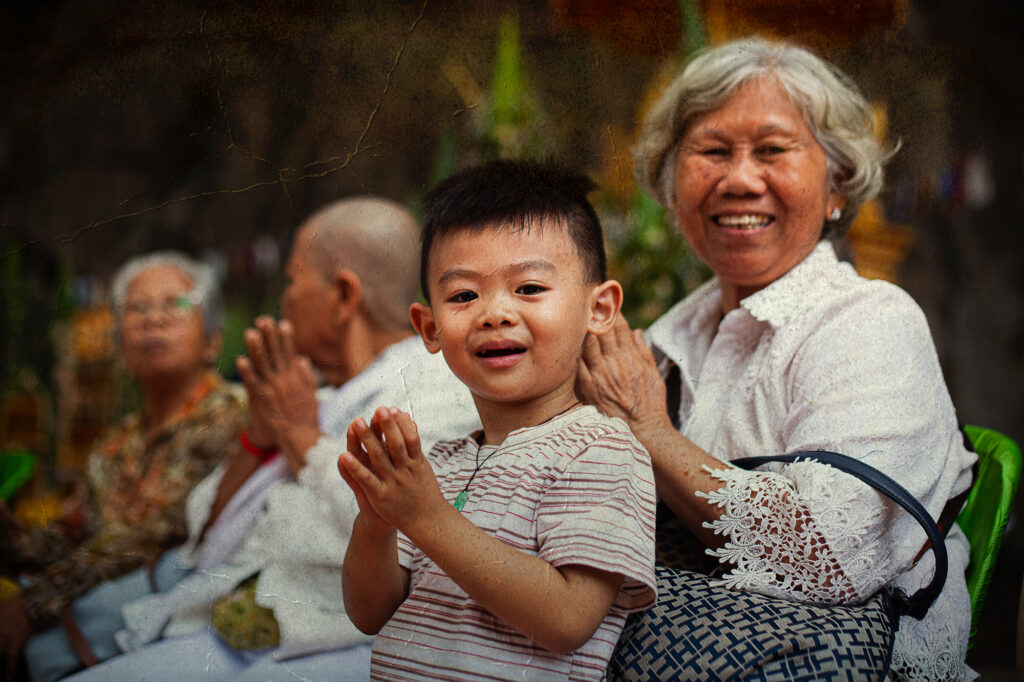
The Ancient History of the Caves of Kampot
Phnom Chhngok Cave lies about 12 kilometres from Kampot town in southern Cambodia. The cave temple dates back to the 7th century. Historians believe Khmer rulers built it during the Funan or Chenla period, long before Angkor Wat existed.
Inside the cave stands a small brick temple dedicated to the Hindu god Shiva. This makes Phnom Chhngok one of Cambodia’s oldest known cave temples.
Indian traders and religious teachers brought Hindu beliefs into Southeast Asia many centuries ago. These influences shaped early Khmer religion, architecture and art. Sanskrit language, Hindu stories and temple building methods spread across the region through trade routes.
Today, the caves of Kampot still show traces of these early Hindu roots.
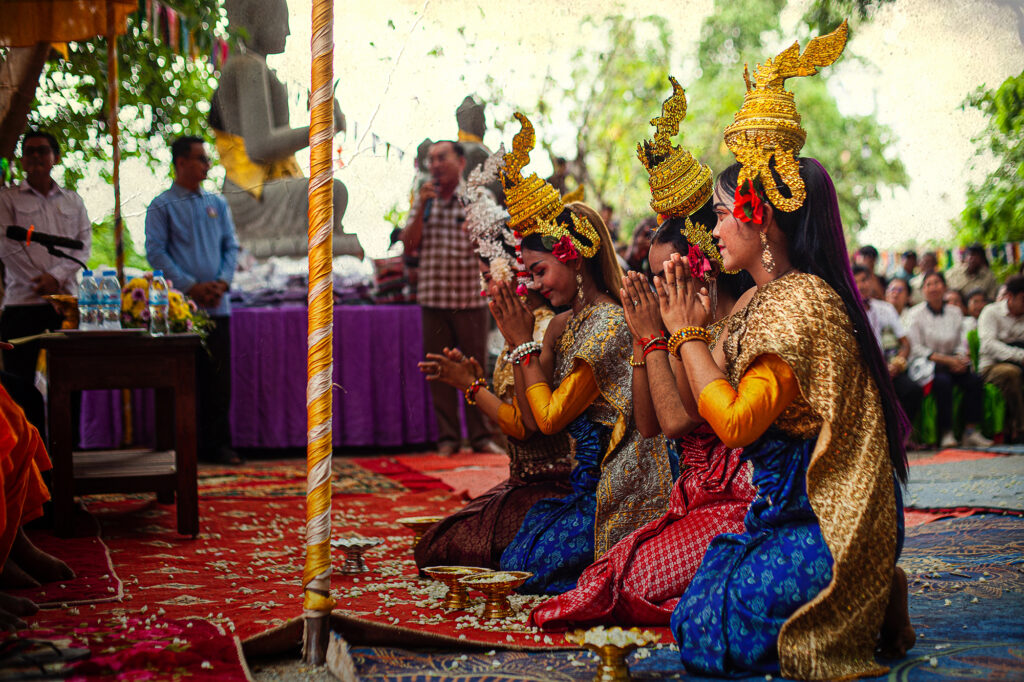
Buddhism and Hinduism in the Caves
Over time, Buddhism became the main religion in Cambodia. Yet older Hindu beliefs never fully disappeared. Instead, local traditions blended together.
This mix of beliefs remains visible at Phnom Chhngok Cave. Buddhist ceremonies often take place beside ancient Hindu structures. Local people also honour nature spirits and ancestral guardians connected to the mountains and caves.
The caves of Kampot reflect Cambodia’s layered spiritual history. Hinduism, Buddhism and animist traditions continue to exist side by side.
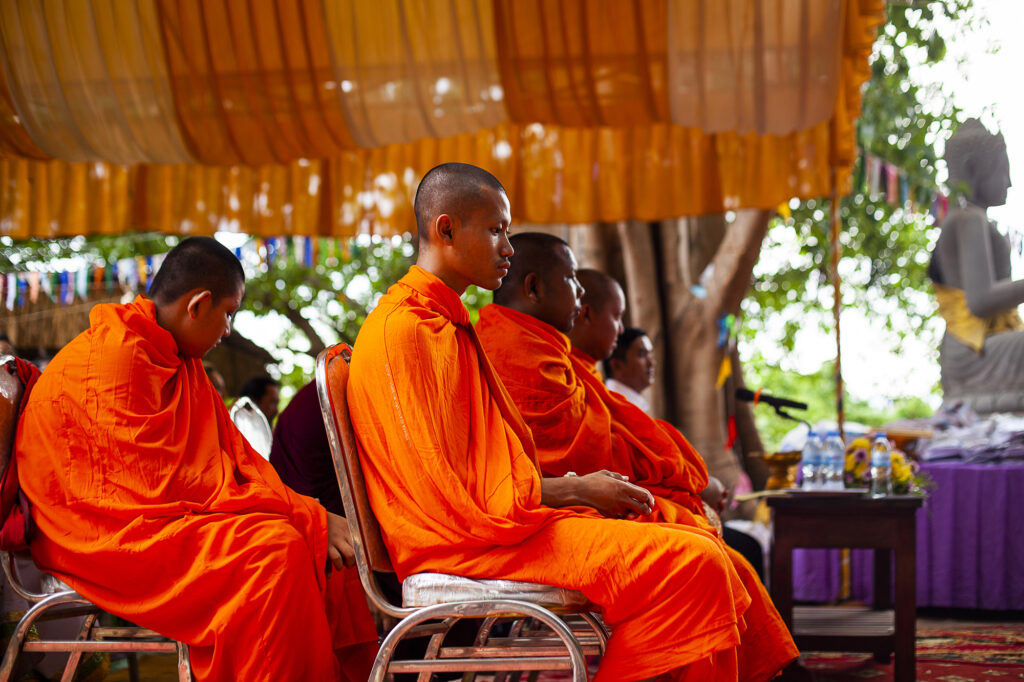
Traditional Dance in the Caves of Kampot
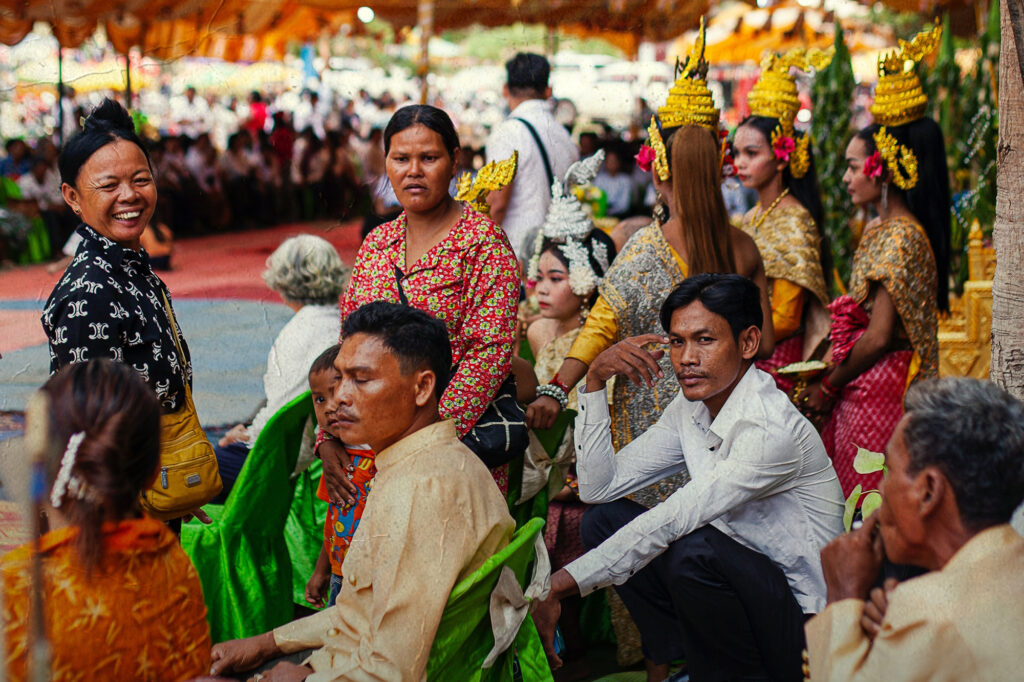
Traditional Khmer dance formed an important part of the 2024 festival. Young dancers wore colourful costumes and performed graceful movements inside the cave chambers.
Many Cambodian dance traditions grew from temple culture and ancient mythology. Some dances tell stories from Hindu epics. Others share Buddhist teachings or local legends.
Each hand movement and body posture carries meaning. Dancers train for years to master the precise gestures.
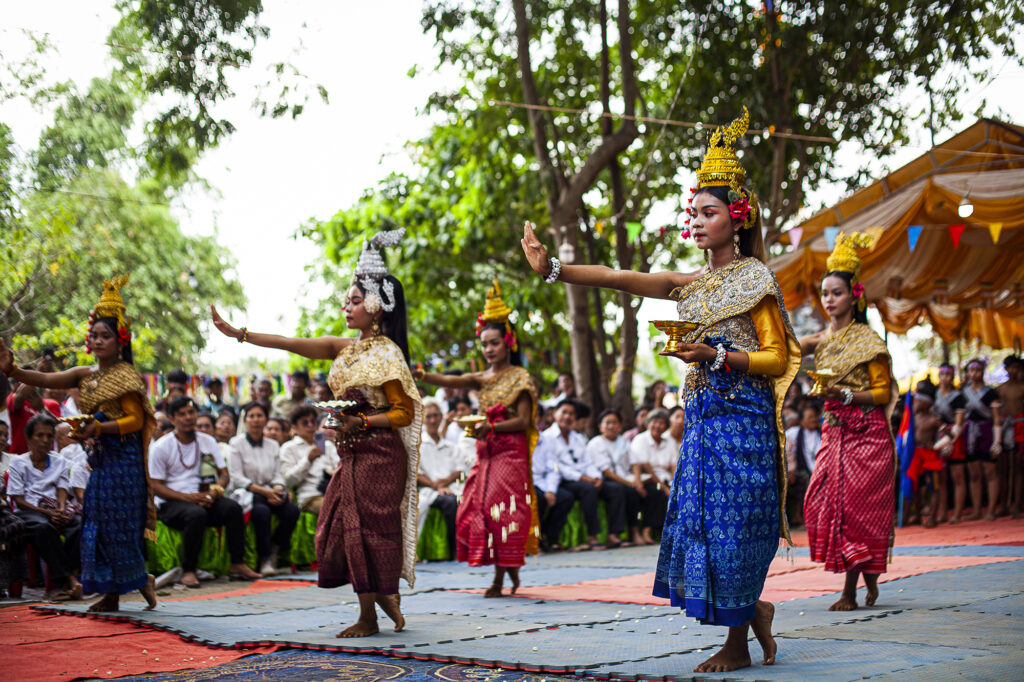
Watching these performances inside the caves of Kampot created a powerful connection between history and the present day.
Bokator and Khmer Martial Arts in the Caves of Kampot
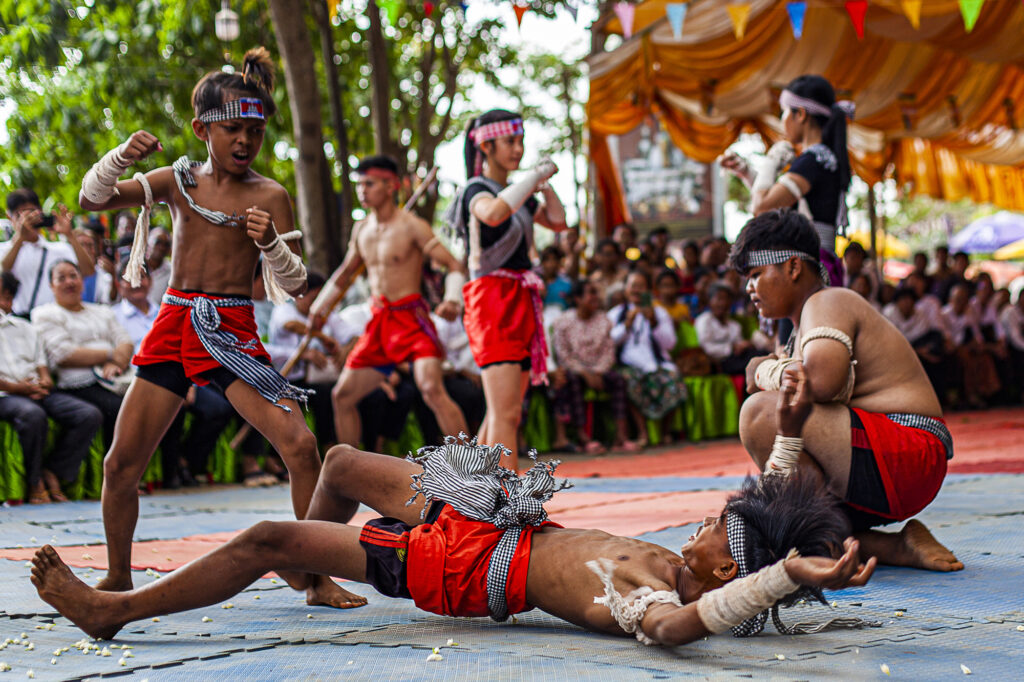
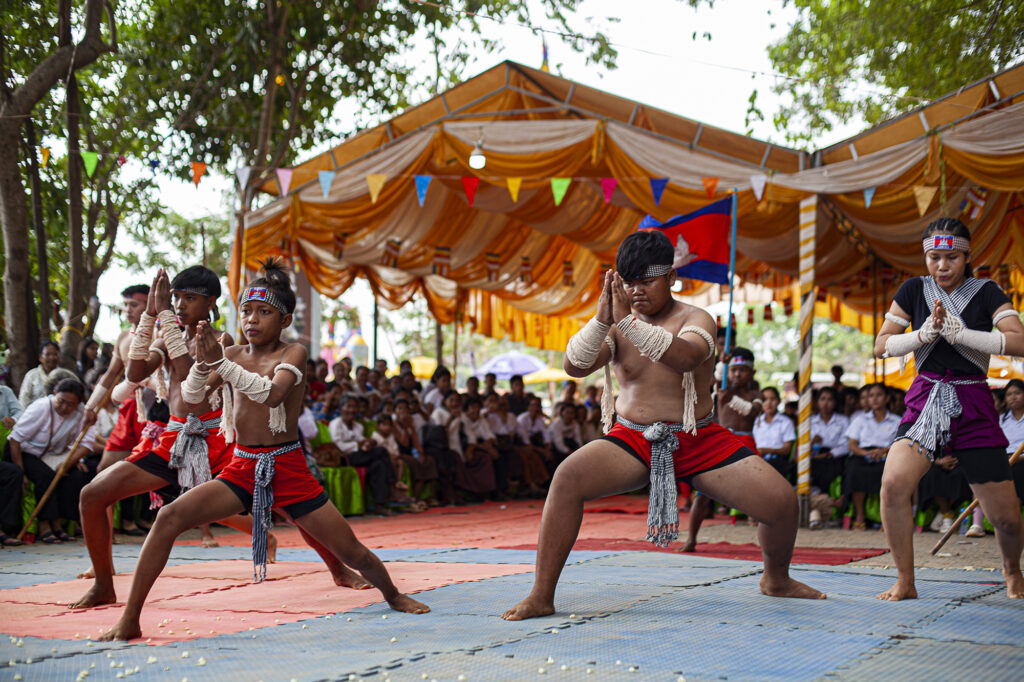
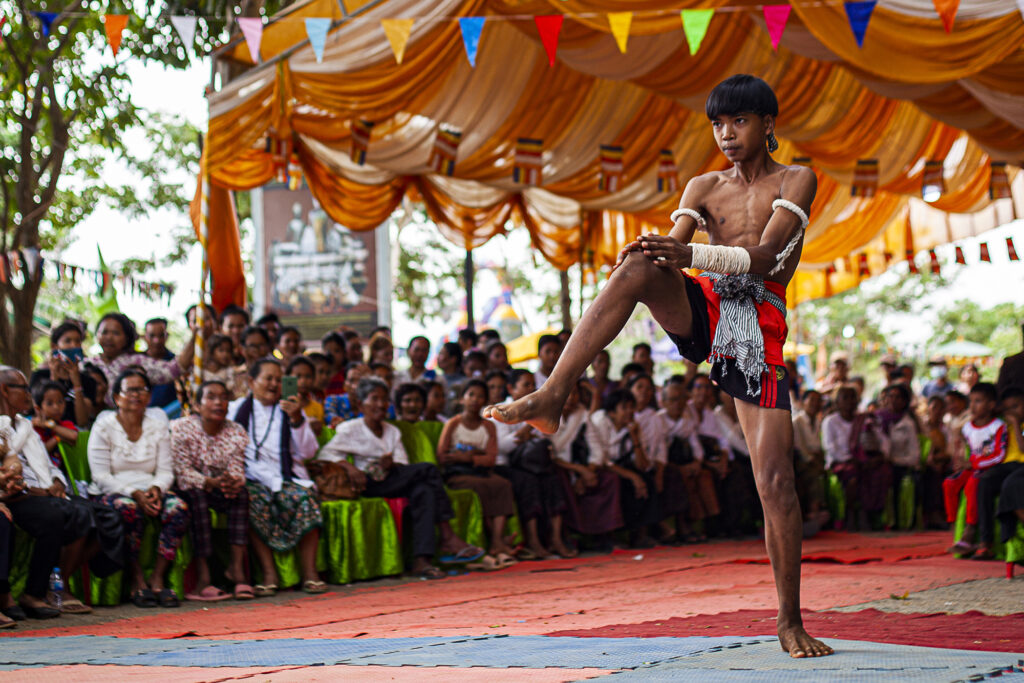
The festival also featured demonstrations of Bokator, one of Cambodia’s oldest martial arts. Children performed striking techniques, animal movements and ceremonial routines before the gathered crowd.
Bokator dates back more than a thousand years. Khmer warriors once used it during the Angkor period. Many movements imitate animals such as tigers, cranes and crocodiles.
For many families, teaching Bokator to younger generations helps preserve Cambodian identity and culture.
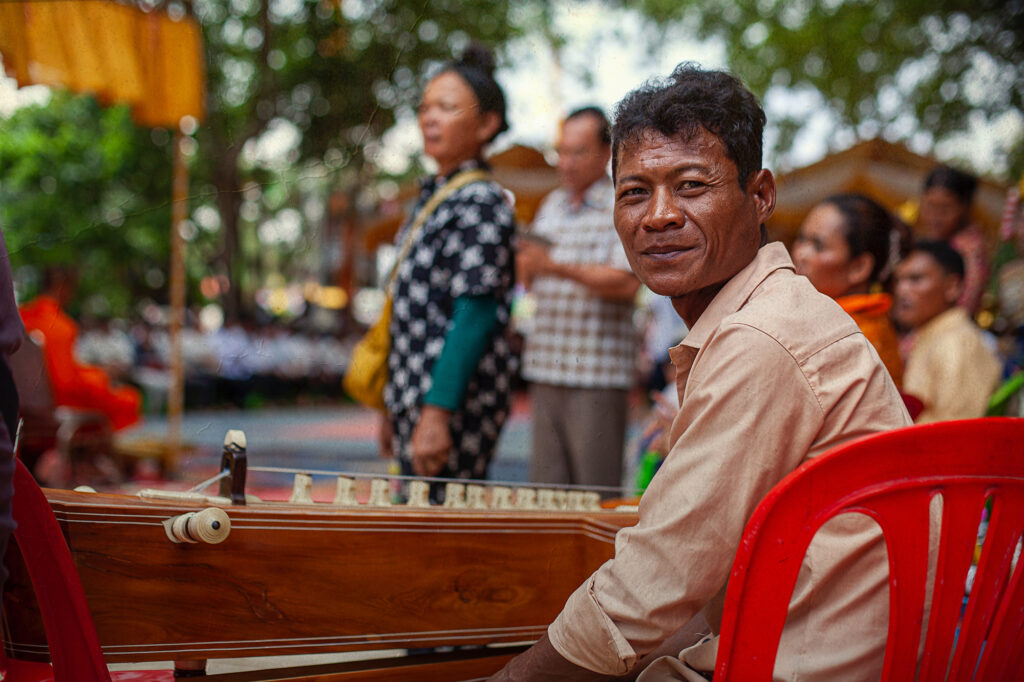
The caves of Kampot provided a dramatic setting for these performances. The sound of drums echoed through the cave while children moved across the stone floor beneath ancient rock formations.
Why the Caves of Kampot Matter Today
Cambodia continues to modernise quickly. Yet places like Phnom Chhngok Cave still protect older traditions and beliefs.
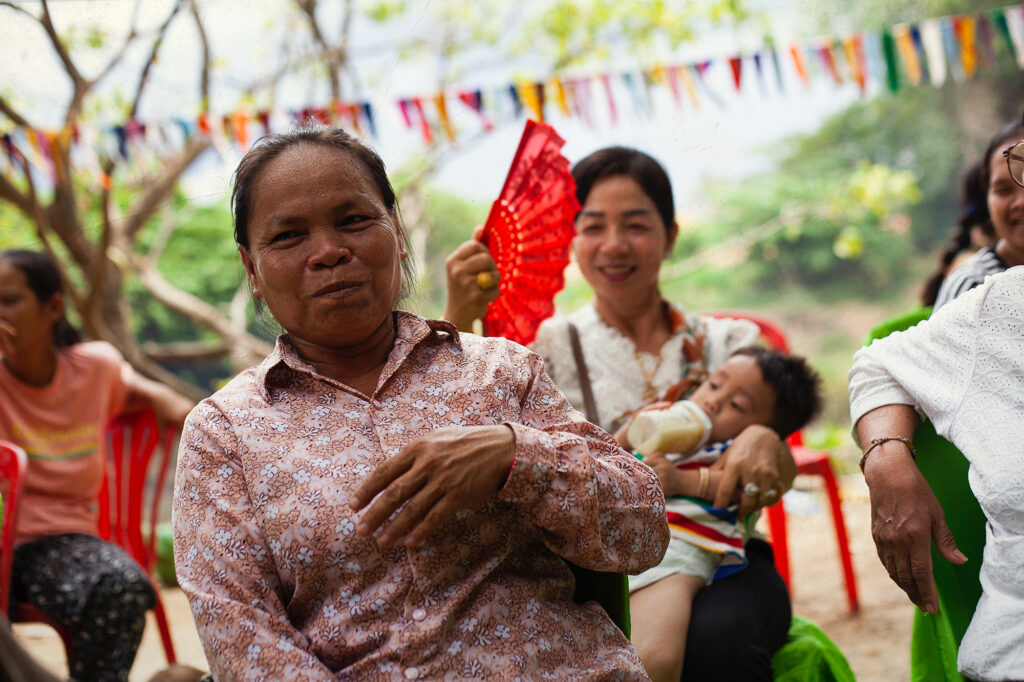
Festivals held in the caves of Kampot help keep cultural practices alive. They bring together religion, history, music, dance and community life in one sacred space.
For photographers, these gatherings offer rare moments of authenticity. The cave temple, incense smoke, traditional costumes and limestone surroundings create scenes rich in atmosphere and meaning.
The caves of Kampot are not only historical landmarks. They remain active cultural spaces where Cambodia’s spiritual and artistic traditions continue to thrive.
All images copyright protected by © Lavonne Bosman Photographic Art